Pet Pests

Like us most of our pets are glad the warm weather is here, its time to be outdoors and enjoy nature. As a pet owner you should prepare for an unusually pet pest filled season. Because of the mild winter and early start to summer, and late rains, ticks, fleas, and mosquito’s are expected to be especially active this season.

Dogs and cats can be infected with heart-worm which is transmitted by mosquito’s, this can also lead to lung and heart disease. Most pet owners know ticks are carriers of Lyme Disease, but ticks can also transmit Rocky Mountain Spotted Fever and Tick Paralysis. Tick Paralysis generally happens with the tick attaches to close to the animals spine. Fleas have also been known to transfer anemia, tapeworms and dermatitis to cats and dogs. These nasty diseases and conditions, along with these animals small size and quick breeding habits make them hard to control.

Protect your pet, family, and home with these tips.

Avoid walking through tall, thick grass with your pets.

Give your pets regular baths to detect and get rid of pests.

Vacuum, and wash their bedding and toys regularly.

Pay close attention to excessive scratching and licking.

Talk to your veterinarian about anti flea, anti tick, and heart-worm medications.

If you discover, or suspect a pest problem, contact Earth Guard Pest Services at:

916-457-7605
877-D-BUGIN-U (877-328-4468)
contact@earthguardpest.com

Click here to find out more!

No comment »

Mosquito Control

How To Control Mosquito’s Around Your Home

  1. Remove their habitat (where they live and breed)
    • Eliminate standing water in rain gutters, old tires, buckets, plastic covers, toys, or any other container where mosquitoes can breed.
    • Empty and change the water in bird baths, fountains, wading pools, rain barrels, and potted plant trays at least once a week to destroy potential mosquito habitats.
    • Drain or fill temporary pools of water with dirt.
    • Keep swimming pool water treated and circulating.
  2. Prevent your exposure to mosquitoes
    • Use EPA-registered mosquito repellents when necessary and follow label directions and precautions closely.
    • Use head nets, long sleeves and long pants if you venture into areas with high mosquito populations, such as salt marshes.
    • If there is a mosquito-borne disease warning in effect, stay inside during the evening when mosquitoes are active.
    • Make sure window and door screens are “bug tight.”
    • Replace your outdoor lights with yellow “bug” lights which tend to attract less mosquitoes than ordinary lights. The yellow lights are NOT repellents, however.

Neighborhoods are occasionally sprayed to prevent disease and nuisance caused by large mosquito numbers. If you have any questions about mosquitoes and their control, contact Earth Guard Pest Services At:

916-457-7605
877-D-BUGIN-U (877-328-4468)
contact@earthguardpest.com

No comment »

How to Control Caterpillars Naturally With Eco Friendly Methods

Caterpillars are a problem in many gardens, some are beneficial and one or two won’t cause much damage, but a large presence will damage flowers, and vegetable gardens.

Pest caterpillars such as the Tomato Horn Worm, Tent Caterpillar, Genista, and Spring Cankerworm are the most common pest caterpillars and do most of the damage to plants, vegetables, and flowers.

Keep an eye on infestations in your garden and around your property, the early you catch the problem the easier it is to control. Natural caterpillar predators such as wasps and inclement weather also help to get rid of them, but sometimes this is not enough.

If you find masses of caterpillars and their eggs, an easy way to dispose of them is with a gloved hand and putting the mass into a closed can or container with soapy water.

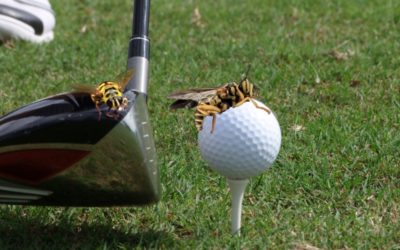
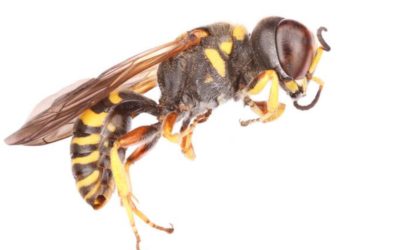
Most of us would rather have caterpillars and butterflies than wasps, but wasps are great control methods so if you can stand to have a few around and aren’t allergic, don’t kill off all the wasps.

If you use pesticides to rid you garden of caterpillars, do it in small doses and treat only the affected plants. Broad spectrum pesticides will kill beneficial insects and you may end up doing more harm than good.

If you haven’t been able to find the right balance or solution of ridding your garden of caterpillars, contact Earth Guard Pest Services at:

916-457-7605
877-D-BUGIN-U (877-328-4468)
contact@earthguardpest.com

How to Control Caterpillars Naturally With Eco Friendly Methods

No comment »

Where Are Bed Bugs Found?

Bed bugs are found across the globe. They are on every continent from North and South America, to Africa, Asia and Europe. The presence of bed bugs has traditionally been seen as a problem in developing countries, yet has  been recently spreading rapidly in parts of the United States, Canada, and Europe. Bed bugs have been found in five-star hotels and resorts and their presence is not determined by the cleanliness of the living conditions where they are found.

Bed bug infestations usually occur around or near the areas where people sleep. These areas include apartments, shelters, rooming houses, hotels, cruise ships, buses, trains, and dorm rooms. They hide during the day in places such as seams of mattresses, box springs, bed frames, headboards, dresser tables, inside cracks or crevices, behind wallpaper, or any other clutter or objects around a bed. Bed bugs have been shown to be able to travel over 100 feet in a night but often can be found  within 10 feet of where people sleep.

No comment »

Frequently Asked Questions About Bed Bugs

What are bed bugs?

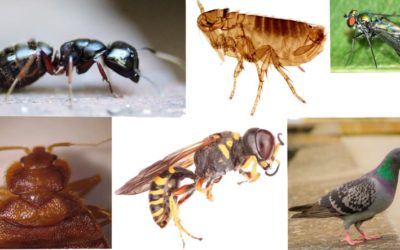
Bed bugs (Cimex lectularius) are small, flat, parasitic insects that feed solely on the blood of people and animals while they sleep. Bed bugs are reddish-brown in color, wingless, range from 1mm to 7mm, and can live several months without a  meal.

Do bed bugs spread disease?

Bed bugs are not known to spread disease and should not be considered as a medical or public health hazard. Bed bugs are an annoyance because their presence may cause itching and loss of sleep.

What health risks do bed bugs pose?

Everyone reacts  differently to a bed bug bite. Bite responses can range from an absence of any physical signs of the bite, to a small bite mark, to a serious allergic reaction.

What are the signs and symptoms of a bed bug infestation?

The tell-tale bite marks on the face, neck, arms, hands, or any other body parts is generally a tell tale sign you might have  a bed bug problem. Unfortunately bed bug bite marks may take up to 14 days to develop in some people so it is important to look for other clues when determining if bed bugs have infested an area. These signs include:

  • bed bugs’  ”skins” (exoskeletons after molting)
  • finding bed bugs in the fold of mattresses and sheets
  • rusty–colored blood spots on your mattress
  • sweet musty odor, which can smell like ripe raspberries

For more information on bed bugs and all other pest control needs contact Earth Guard Pest Services at:

916-457-7605
877-D-BUGIN-U (877-328-4468)
contact@earthguardpest.com

No comment »

How Do I Know If I’ve Been Bitten By A Bed Bug?

It is hard to tell if you’ve been bitten by a bed bug unless you find bed bugs or signs of infestation. When bed bugs bite, they inject an anesthetic and an anticoagulant that prevents a person from realizing they are being bitten.It is hard to tell if you’ve been bitten by a bed bug unless you find bed bugs or signs of infestation. When bed bugs bite, they inject an anesthetic and an anticoagulant that prevents a person from realizing they are being bitten. Most people do not realize they have been bitten until bite marks appear anywhere from one to several days after the initial bite. The bite marks are similar to that of a mosquito or a flea — a slightly swollen and red area that may itch and be irritating. The bite marks may be random or appear in a straight line. Other symptoms of bed bug bites include insomnia, anxiety, and skin problems that arise from scratching of the bites.

Because bed bug bites affect everyone differently, some people may have no reaction and will not develop bite marks or any other visible signs of being bitten. Other people may be allergic to the bed bugs and can react adversely to the bites. These allergic symptoms can include enlarged bite marks, painful swellings at the bite site, and, on rare occasions, anaphylaxis.

For bed bug control and all other pest control needs, contact Earth Guard Pest Control at:

916-457-7605
877-D-BUGIN-U (877-328-4468)
contact@earthguardpest.com

No comment »

Pigeon Control

Pigeon Damage and Pigeon Management

Exclusion- excluding them from structures that they use as nesting or loafing locations. Exclusion work is done by utilizing mesh hardware cloth or netting in screen eaves, vents, window, doors and other openings. Change and modifying angle of roosting ledge. Utilization of bird spikes porcupine wires and mechanical repellants will repel pigeons for many years.

Habitat Modification-Pigeon habitat modification is the elimination of food and water supplies, along with nesting and loafing sites to help reduce the pigeon population.

Frightening- Visual and auditory frightening devices. Not a long term solution. Noise making is usually disturbing to humans and have little permanent effect on roosting pigeons. Nesting sites can be sprayed with streams of water to disperse but this needs to be done persistently until the birds have relocated.

Repellants- Non toxic tactile repellants (polybutenes) They produce sticky surfaces that the pigeons dislike for them to find lodging elsewhere. The effectiveness will wear over time and will need to be re-applied.

Toxic-Only a last resort method. Utilization of avitrol in controlled food supplies.

No comment »

Pigeon Facts

To follow up on our last blog post about pigeons and the damage they cause to residences and commercial properties each year, we have information on pigeons, their habits, and diseases and illness’s they spread.

All the pigeons around us are now feral. First domesticated more than 5000 years ago and through out time enough escaped creating feral roosts. Pigeons are generally grey, with a white rump. There are black bar markings on the wings, and a broad black band on the tail with red feet. They are also found to be white, tan and black. They average 11 inches long with a weight of 13 oz.

Pigeons choose one mate, and are monogamous. They live up to 15 years in captivity, but on the streets seldom live more than 4 years. Populations of pigeon are often split evenly. Feral pigeons lay eggs six times a year, often producing two squabs at a time or 12 squabs a year. Peak reproduction occurs in the spring and fall . Thats 48 pigeons over the lifetime of a pair of mating pigeons.

Pigeons are well known to carry and spread diseases through their droppings. Pigeons can transmit a number of diseases such as histoplasmosis, pigeon ornithosis, salmonellas, cryptococcosis, toxoplasmosis, and encephalitis. Pigeons can host numerous ectoparasites as well, such as ticks, flies, fleas, mites and biting lice which also carry disease. Some insects that inhabit the nests of pigeons are also fabric pests and/or pantry pests.

If your residence or business is experiencing problems with pigeons,  contact Earth Guard Pest Services today.

Contact Us Today!
916-457-7605
877-D-BUGIN-U (877-328-4468)
contact@earthguardpest.com

No comment »

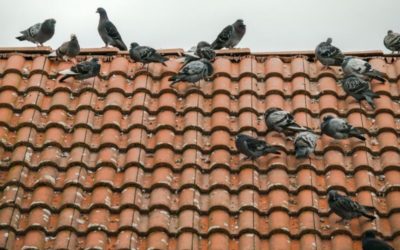
Pigeons Can Damage Roofs, Sidewalks, Buildings, & Equipment

When we think of pests its normally insects, bugs, and rodents that come to mind. Pigeons are a pest though. Causing damage to buildings, residences, and being a health hazard are just several of the reasons.

Pigeon droppings are aesthetically displeasing. They make your home or building look bad. You might be surprised that an average pigeon dispenses about 25 pounds of excrement a year. Those droppings deface and accelerate the deterioration of buildings and increase the cost of maintenance.

Large amounts of droppings may kill landscaping and other vegetation. It often causes an objectionable odor. Pigeon droppings contain a high concentration of uric acid, and large accumulations can cause discoloration to paint, stain wood, erode metal, even crumble concrete and stonework.

The longevity of industrial roofs can be severely affected by droppings, resulting in expensive replacement costs. All the debris needs to be regularly blasted off  using high pressure sprayers, and often rely on expensive booms and heated water or steam hoses. The debris from roosting flocks can also build up,  backing up gutters and drains thus causing damage to roofs and other structures.

Extensive damage to air conditioning units and other roof top machinery is commonplace. When pigeons happen to get in the building, they quickly contaminate the inside with waste and bird mites and will often infest a building for years causing the building to lose up to 5% to 10% of its value. Pigeon related damage in America has been estimated to cost up to 1 billion a year.

Contact Earth Guard Pest Services for pigeon control, and all other pest control services.

916-457-7605
877-D-BUGIN-U (877-328-4468)
contact@earthguardpest.com

No comment »

Bed Bugs! Bed Bugs! Bed Bugs!

Bed bugs, bed bugs, bed bugs! It seems this is all we see in the papers and online anymore when reading about home and garden, and health and safety. The explosion of the bed bug population is leaving home and business owners frustrated. The pest control industry is benefiting though, with an expected 5.5% increase from 2011 into 2012, and an expected annual growth of 2.9% over the next 5 years. These projected  growth percentages are also expected to increase the demand for licensed pest exterminators, and increase the amount of pest inspections across the United States.

Bed bugs in the past were usually confined to hotels and some residences. Lately they have been appearing in movie theatres, residences, businesses, and air ports. Along with showing up more frequently, they are more resistant to existing pesticides which is causing exterminators and pest control professionals to innovate how they deliver pesticides, and change the pesticide formulas.

Conditions are expected to improve over the next 5 years leading into 2017. Increased business and spending by consumers will drive the demand for regular inspections.  With an expected improvement in the general state of the economy, more people will be willing to spend more on professional pest treatments, instead of products from home and garden stores.

If you have any questions about bed bugs, bed bug control and extermination, or any pest control related issues, contact Earth Guard Pest Services at:

916-457-7605
877-D-BUGIN-U (877-328-4468)
contact@earthguardpest.com

No comment »